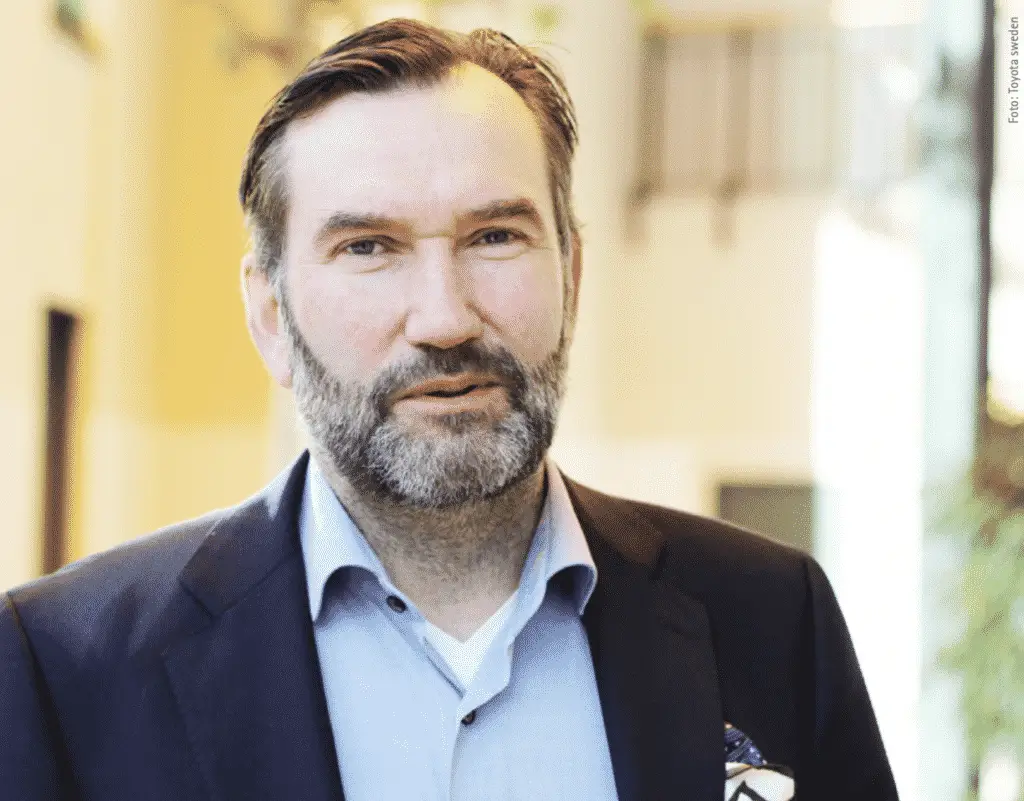
AV HENRIC HASTH
För alla som driver lager är säkerhet, tillgänglighet och effektivitet tre grundbultar som gäller sedan länge och som kommer att gälla än mer i framtiden. Det som just nu omformar lagret och skapar både möjligheter och utmaningar kan sammanfattas i nyckelorden: e-handel, automation, hållbarhet, flexibilitet och prediktiva data.
E-handel
Grunden för dagens intensiva utveckling av lager är e-handelns snabba tillväxt och dess förändring av våra köpmönster i kombination med en hög innovationstakt vad gäller både hårdvara och mjukvara. E-handel har blivit en angelägenhet för i princip alla företag, vilket gör det nödvändigt att arbeta med fler parallella snabba och effektiva logistikflöden. Exempelvis ser vi en snabb ökning av returflöden, flöden från stora centrallager till mindre konsumentnära lager och flöden mellan lager och slutkund. I dessa nya mer komplexa försörjningskedjor är supply chain i allmänhet och lagret i synnerhet en helt avgörande strategisk pusselbit. Ytterligare komplexitet adderas av e-handelns driver utvecklingen mot växande sortiment och mindre orderstorlekar. Lägg till detta alla de leveranslösningar som lanseras i e-handelns spår; leveransboxar, ombudslösningar, hemleveranser med mera, vilket kräver en allt mer varierad, snabb och effektiv fulfillment.
Automation
Enligt våra analyser kommer automationslösningar snart stå för 25-30 % av investeringarna i intern materialhantering och den siffran kommer öka stadigt. Automationslösningarna kan något förenklat delas in i två typer:
- Den ena typen av automation är de större, fasta automationslösningar som fungerar bäst för stora, stabila flöden. Typexempel är den svenska dagligvaruhandelns pågående satsningar på stora totalautomatiserade centrallager.
- Den andra typen av automationslösningar är mer flexibla till sin karaktär, uppbyggda av exempelvis AGV:er (Automatic Guided Vehicles) och AMR:er (Automated Mobile Robots), som passar i flöden med krav på hög flexibilitet eller i små repetitiva flöden där de fasta automationslösningarna blir för kostsamma. Ett exempel på de mer flexibla lösningarna är i de mindre, konsumentnära lagren för micro fulfillment.
Det flexibla och datadrivna lagret
Dynamiken i dagens näringsliv och den höga förändringstakten gör att alla vill ha maximal flexibilitet i sina lagerlösningar. I framtidens lager behöver vi bygga in en förmåga till förändring och arbeta mycket mer flexibelt än vad vi gjort hittills. Det gäller allt från arbetssätt, processer, när olika arbetsmoment utförs på dygnet och vilka tekniklösningar som väljs. För att fatta rätt beslut – både i realtid, på kort sikt, medellång sikt och lång sikt – kommer lagren att behöva bli mycket mer datadrivna. Långsiktigt handlar det om att utifrån databaserade analyser planera för framtida investeringsbehov i sin lager- och materialhantering. På medellång sikt handlar det om att skapa sig en god uppfattning om framtida efterfrågan och utifrån detta planera sin varutillgänglighet och kapacitet. På kort sikt behövs data som grund för prognoser och daglig kapacitetsplanering. För de beslut som ska fattas i princip i realtid är maskininlärning och liknande tekniker möjliggörare för att snabbt fatta rätt beslut om exempelvis plockslingor, optimal bemanning och vad och i vilken ordning olika uppgifter ska prioriteras. För oss innebär den här utvecklingen att vi ska använda all vår kompetens, resurser och förmåga för att hjälpa våra kunder att utveckla framtidens lager genom att erbjuda kombinationer av flexibla, automatiserade och datadrivna lagerlösningar som kan hantera allt mer komplexa parallella varuflöden med höga krav på hållbarhet, produktivitet och kundservice.
Henric Hasth är vd på Toyota Material Handling Sweden