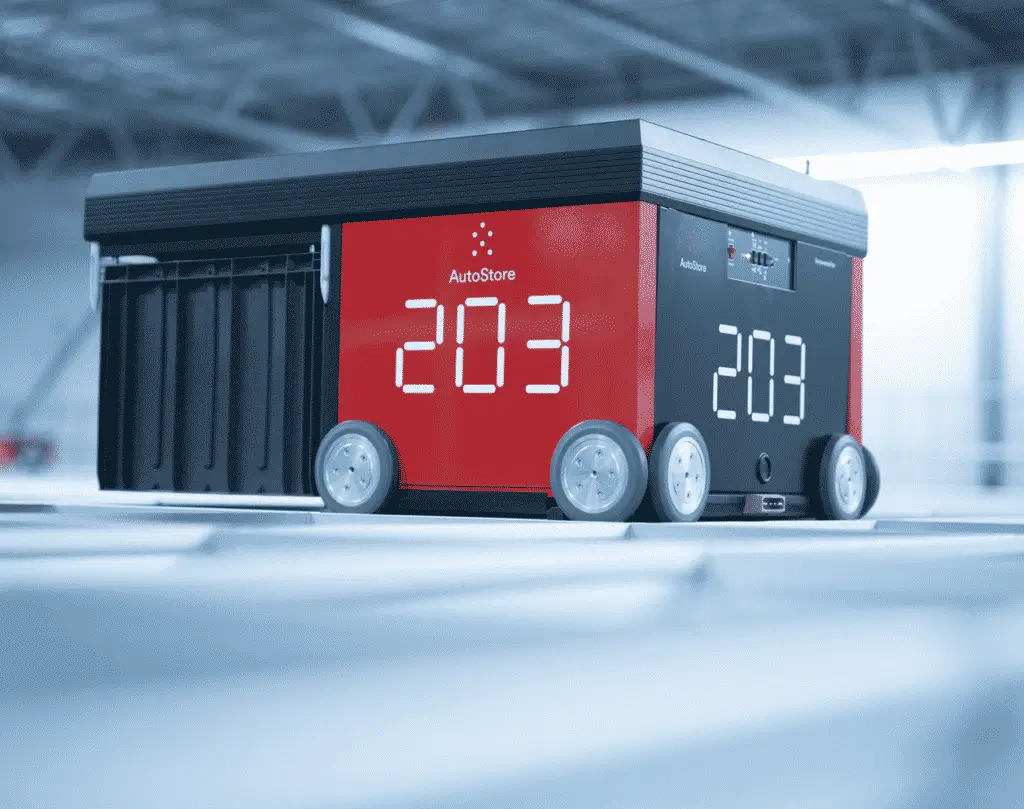
Den 5 april offentliggjordes att robotbolaget AutoStores huvudägare Thomas H. Lee Partners (THL) säljer 40% av aktierna till japanska investmentbanken SoftBank för motsvarande 2,8 miljarder USD, vilket innebär att norska AutoStore i nuläget värderas till 66 miljarder kronor (THL värderar bolaget till 7,7 miljarder USD, vilket motsvarar 65,8 miljarder SEK) . THL kvartstår som huvudägare men med SoftBank som storägare är ambitionen att ytterligare driva på bolagets globala tillväxt. AutoStore har i dagsläget 20 000 robotar som är i operativ drift i mer än 600 anläggningar i 35 länder. Bolagets tillväxt sker främst inom detaljhandeln där den drivs på av en ökande e-handel, med krav på allt kortare ledtider och hög effektivitet i order-till-leverans-flödena.
E-handeln automatiserar – stor ökning inom dagligvarusektorn
På senare tid har även den snabba tillväxten inom e-grocery – dagligvaruhandelns e-handel – ytterligare drivit upp efterfrågan på AutoStores teknologi. I USA har de stora dagligvaruföretagen H-E-B, H-Mart och The Giant Company nyligen investerat i små, marknadsföra AutoStore-anläggningar, så kallade Micro-fulfillment centers. Och sedan tidigare har Walmart automatiserat i snabb takt. Den snabba ökningen av e-handel i dagligvaruhandeln bedöms driva på automationsutvecklingen under kommande år, och de flesta automationsbolag som redan är verksamma inom lagerautomation satsar på att utveckla lösningar för en snabb och kostnads- samt yteffektiv fulfillment av dagligvaror. Den här trenden har accelererat ytterligare under 2020 som en följd av Covid-19 och driver nu fram allt fler nya kreativa, automatiserade lagerlösningar i omedelbar närhet till konsumenterna.
Micro-fulfillment Centers
En lösning som växer snabbt i bland annat USA är micro-fulfillment centers som integreras med automatiserade butikslösningar. Här byggs de automatiserade lösningarna upp dels för att snabbt och med hög densitet kunna konsolidera och leverera e-handelsordrar, dels för att erbjuda traditionell, men automatiserad butikshandel, med färskvaror och andra känsliga produkter. En annan lösning som blir allt vanligare kallas för Bolt-on Store. Här är det fråga om en kombination av ett mindre automatiserat lager som fyller på lokala butiker men även fungerar som upphämtningsställe för den snabbt växande skaran av e-handlande konsumenter. Med krav på allt mindre orderstorlekar, större sortiment, snabbare och mer bekväma leveranser krävs det nya lösningar. Föregångare i den här utvecklingen är Amazon och Walmart, vilket har gjort att utvecklingen har kommit allra längst i USA – en utveckling som nu väntas ta fart även i Europa och Asien.