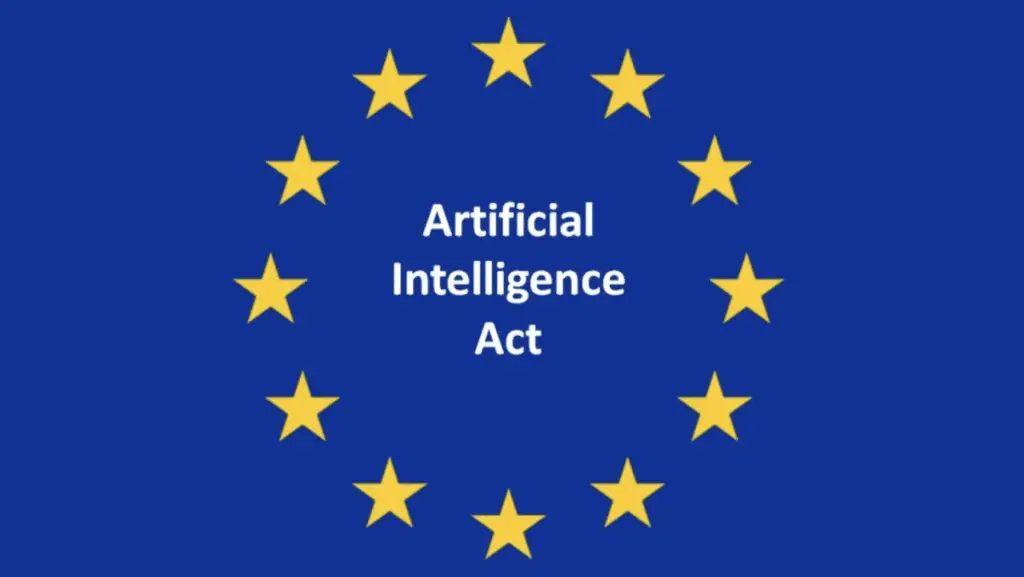
Europaparlamentet har nu godkänt världens första lagstiftning om artificiell intelligens; Artificial Intelligence Act. Lagen, som syftar till att reglera användningen av AI, betraktas som ett föredöme globalt.
Även om USA också har tagit steg mot AI-lagstiftning, inklusive en exekutiv order av president Joe Bidens, förväntas EUs omfattande regler påverka andra regelverk. Oron över potentiella risker och etiska konsekvenser av AI gör att regeringar över hela världen nu adresserar behovet av robusta regler för att säkerställa ansvarsfull utveckling och implementering av AI.
EU-lagstiftningen röstades igenom med en stor majoritet den 14 mars fem år efter att det ursprungliga förslaget lades fram. Lagstiftningen är utformad för att säkerställa mänsklig kontroll över AI-tekniken samtidigt som dess potential för innovation, ekonomisk tillväxt och samhällsutveckling ska tas till vara. Lagen innebär bland annat att AI-applikationer kategoriseras utifrån deras potentiella påverkan och risk.
Lagen reglerar bland annat användning som hotar medborgarnas rättigheter, inklusive biometriska kategoriseringssystem som övervakar känsliga eller skyddade egenskaper, liksom icke-specifika källor för ansiktsbilder från internet eller övervakningskameror med avsikt att bygga databaser för ansiktsigenkänning.
Kritisk infrastruktur
Applikationer med särskilt hög risk, exempelvis kritisk infrastruktur och medicinteknik, kommer att vara föremål för särskilt stränga krav, inklusive krav på användning av högkvalitativa data och transparent användarinformation. Vissa AI-applikationer som bedöms utgöra oacceptabla risker, bland annat sociala poängsystem eller prediktivt polisarbete, är förbjudna enligt lagstiftningen. Särskilt betydelsefullt är de bestämmelser som adresserar generativa AI-modeller, exempelvis system som OpenAI’s ChatGPT.
Systemiska konsekvenser
Som svar på den snabba utvecklingen av AI-förmågor kräver lagen nu detaljerade offentliggöranden av datakällor och överensstämmelse med upphovsrättsliga regler för utvecklare av sådana modeller. Dessutom finns åtgärder på plats för att granska och mildra risker förknippade med implementeringen av avancerade AI-system, särskilt de med systemiska konsekvenser.