
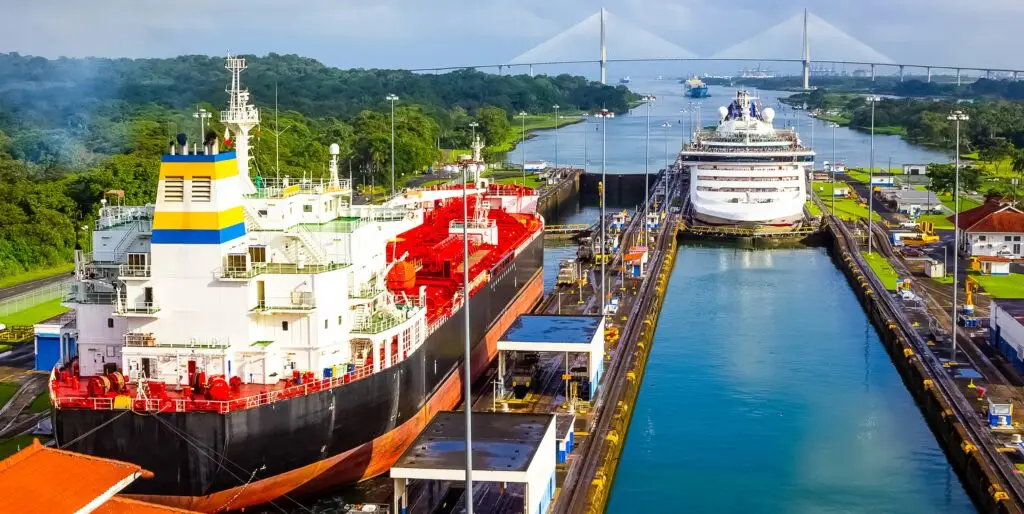
Enligt Financial Times som citeras av Reuters har Kina uppmanat Maersk och MSC Shipping (Mediterranean Shipping Company) att stänga ner sina hamnar i Panama bara veckor efter att de togs över från Hongkong-baserade CK Hutchison, som nyligen fråntogs hamnrättigheterna.
Maersk och MSC å sin sida har hävdat att deras tillfälliga hamnrättigheter är nödvändiga för att hålla handeln flytande genom Panamakanalen och fortsätter därför att driva hamnterminaler i Balboa och Cristóbal. Tjänstemän från Kinas mäktiga nationella reformkommission, NDRC, ska i möten med Maersk och MSC ha krävt att bolagen omedelbart upphör med hamnverksamheten. Enligt Financial Times ska de kinesiska representanterna även uppmanat rederijättarna att ”inte delta i olaglig verksamhet som skadar kinesiska företagsintressen och att upprätthålla affärsetik och internationella regler”.
CK Hutchison fråntogs hamnrättigheter
I mars förra året sålde CK Hutchison, som ägs av Hongkongs rikaste man Li Ka-shing, sin icke-kinesiska hamnverksamhet till BlackRock och MSC, inklusive de aktuella hamnarna i Panama. I januari beslutade dock Panamas högsta domstol att CK Hutchisons koncession att driva de två försålda hamnarna var grundlagsstridig och fråntog bolaget hamnrättigheterna. CK Hutchison stämde därefter Maersk och har lämnat in ett skadeståndskrav på 2 miljarder dollar mot Panama. Som en följd av domstolsbeslutet i januari fick MSC och Maersk tillfälliga driftsrättigheter avseende hamnverksamheten i Balboa och Cristóbal.
Kampen om de globala försörjningskedjorna
Den alltmer aggressiva kinesiska hållning ska ses mot bakgrund av att USA försöker öka sitt inflytande över kanalen och betraktas som en eskalering i en pågående tvist om Panamas hamnkoncessioner. Samtidigt pågår en bredare global kamp om makten över och säkerheten i kritiska globala försörjningskedjor. Ett annat exempel på den kinesiska hållningen är de nya regler som infördes tidigare i april som gör det olagligt att som det heter ”skada säkerheten för landets industri- och leveranskedjor”, där kinesiska myndigheter även hotar med utreseförbud från Kina för den som anses överträda reglerna. Förra veckan införde dessutom myndigheterna regler för att motverka vad de beskriver som ”otillbörlig extraterritoriell jurisdiktion från utländska regeringar”, vilket rapporterades av Supply Chain Effect. Detta ger kinesiska myndigheter större möjligheter att granska utländska bolag och vidta repressalier inom områden som handel, investeringar och internationellt samarbete.