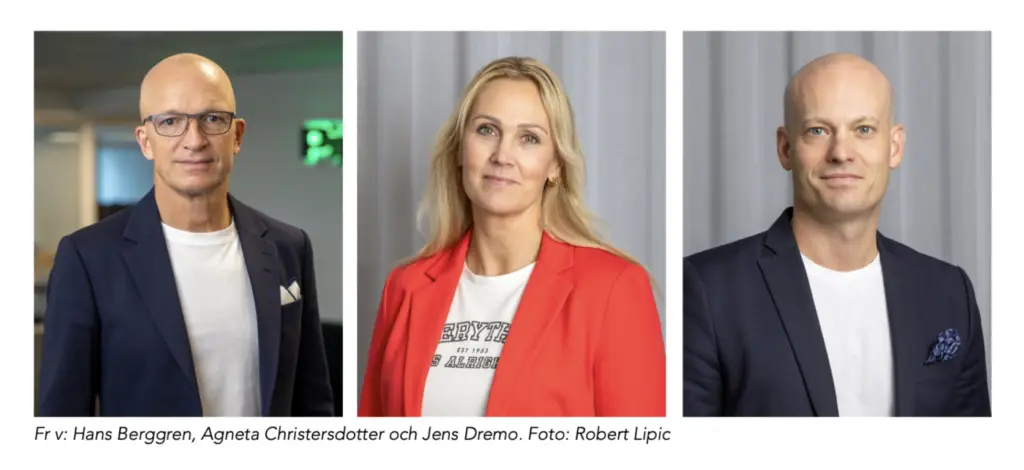
AV HANS BERGGREN, AGNETA CHRISTERSDOTTER OCH JENS DREMO
Supply chain har alltid handlat om samspel. Mellan efterfrågan och produktion. Mellan lager och leverans. Mellan företag och verksamheter som i praktiken är beroende av varandras beslut, men som ofta styrs av olika incitament, system och tidshorisonter.
Det är också därför supply chain förändras lite långsammare än många andra branscher och industrier. Inte för att tekniken saknas, utan för att verkligheten är komplex. Många aktörer med långa och komplexa relationer. Lägg där till juridiska strukturer och affärskritiska beroenden så får du en värld där vardagens stabilitet ofta värderas högre än experiment. Samtidigt händer något nu i vår värld av försörjningskedjor. Inte i form av en dramatisk revolution, utan som en försiktig nyfikenhet på hur tekniken kan användas på helt andra sätt. I takt med att graden av digitaliserade flöden i supply chains nu verkligen tar fart, kan vi börja använda prediktiv AI som ett sätt att bättre förstå den takt som marknaden redan slår.
Prognoser är inte problemet – osäkerheten är problemet
I nästan alla supply chains finns prognoser. Ofta manuella, ibland systemstödda, nästan alltid med betydande felmarginaler. Det gäller särskilt i branscher med långa ledtider och komplexa beroenden, som fordonsindustrin, där prognoser dessutom tillämpats i över 30 år och mängden data som delas är mycket stor. Problemet är konsekvenserna av osäkerheten kring prognoserna, som kommer i form av för höga säkerhetslager, kapital som binds i onödan, sena ändringar som leder till brandkårsutryckningar i produktionen, eller i värsta fall kassation och förlorad leveransförmåga.
Det är här prediktiv AI börjar bli intressant på riktigt. Inte för att den tar bort osäkerheten inom supply chain – den kommer alltid att finnas – utan för att den i vissa delar kan göra osäkerheten mindre. Särskilt när, som inom fordonsindustrin, mängden data är omfattande. När spannet i beslutsunderlaget krymper, även marginellt, förändras hur människor planerar, beställer och producerar. För vissa artiklar och flöden kan det komma att räcka med den förbättringen för att skapa ett lugnare, mer synkroniserat beteende i hela kedjan. Vi har sett detta tydligt i arbetet med leverantörsled inom fordonsindustrin. När prognossignaler analyseras över tid, i kombination med historiska mönster, uppstår en mer stabil bild av efterfrågan än den som ofta kommuniceras i traditionella prognosfiler. Effekten är inte dramatisk i varje datapunkt, men tillräcklig för att påverka lagerstrategier, inköpsbeslut och produktionsplanering.
Synkronisering är minst lika viktigt som optimering
I många år har supply chain-utveckling handlat om optimering: lägre kostnader, kortare ledtider, högre servicegrad. Det är fortfarande viktigt, men i takt med att komplexiteten ökar blir synkronisering minst lika avgörande. En synkroniserad supply chain handlar inte om att alla gör samma sak, utan om att alla rör sig i takt. Att beslut fattas utifrån samma verklighetsbild. Att förändringar inte kommer som överraskningar, utan som signaler som fångas upp i tid. Här är metaforen om orkestern användbar. I en orkester spelar inte alla samma instrument, men alla följer samma takt. Dirigenten sätter tempot – och i supply chain är det i praktiken marknaden i kombination med drivande parter som kan påverka takten som är dirigenten. Efterfrågan, konjunktur, kundbeteenden och externa störningar sätter rytmen. Frågan är hur väl organisationer och nätverk lyckas följa den. Prediktiv AI kan i det sammanhanget ses som ett sätt att höra takten tydligare, snarare än att försöka skriva om noterna.
Tillit, data och mänskliga beslut
En återkommande fråga i arbetet med AI i supply chain är tillit. Inte till tekniken i sig, utan till besluten som följer av den. Många organisationer är mer förlåtande mot mänskliga fel än mot tekniska. En felaktig prognos som en planerare gjort går ofta att förklara och acceptera. Ett AI-baserat förslag som avviker från det invanda väcker däremot oro, även om det statistiskt sett är bättre. Därför blir införandet av AI minst lika mycket en kulturell resa som en teknisk. Transparens i hur modellerna resonerar, möjlighet till mänsklig kontroll och tydliga ”learning loops” är avgörande. I praktiken fungerar prediktiv AI bäst när den inte ersätter beslut, utan utmanar dem – och när organisationen tillåter sig att lära av utfallet. I PipeChains arbete har detta varit en central princip: AI-baserade prognoser är bra rekommendationer, inte en magisk spåkula. Det är fortfarande människan som tar ansvar för beslutet, men med ett bredare och mer konsekvent underlag. Vi tror på automation med styr-och-regler-funktioner som säkerställer bästa möjliga resultat och värdeskapande över tid.
Små steg, verkliga problem
En annan viktig lärdom är att värdeskapandet sällan uppstår genom stora, övergripande AI-initiativ. Värdet uppstår när tekniken appliceras på konkreta problem i vardagen och det kulturella skiftet påbörjas. Våra egna AI-initiativ är ofta medarbetardrivna och fokuserade på att lösa konkreta utmaningar som våra kunder står inför. Det kan handla om att tolka inkommande PDF-ordrar som annars kräver manuell hantering. Om att automatisera sammanställningen av tulldokument. Eller om att successivt förbättra prognosprecisionen för att minska risken för fulla eller tomma lager. Den gemensamma nämnaren är att tekniken inte introduceras som något abstrakt, utan som ett sätt att minska friktion i befintliga flöden. Det är också där acceptansen växer: när människor märker att arbetet faktiskt blir enklare, lugnare och mer förutsägbart.
Från hype till vardag
AI i supply chain är varken en tillfällig trend eller en universallösning. Den verkliga förändringen sker någonstans däremellan. Vi tror att de organisationer som lyckas framåt är de som kombinerar realism med nyfikenhet: som vågar använda tekniken där den gör nytta, men som inte förväntar sig mirakel. Som investerar i datakvalitet, relationer och arbetssätt – inte bara i modeller.
I slutändan handlar det om att bygga försörjningskedjor som klarar variation bättre. Som reagerar snabbare, men inte ryckigare. Och som, i takt med att marknaden ändrar tempo, lyckas följa med utan att tappa balansen. Det är där en synkroniserad supply chain börjar ta form. Inte perfekt. Men i takt.
—
Hans Berggren är koncernchef på PipeChain
Agneta Christersdotter är vd på PipeChain Networks
Jens Dremo är vd på PipeChain SCM Tyringe