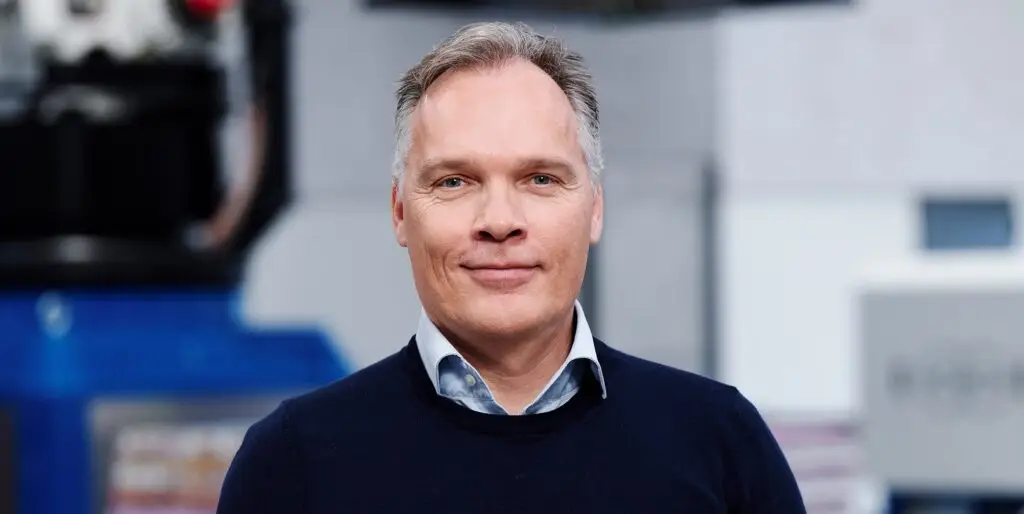
Skandinavien har länge haft ledartröjan inom ESG och hållbarhet i supply chain. Nästa steg blir att utnyttja AI och övriga fördelar med digitalisering för att stärka ESG inom alla parametrar, menar Körber Supply Chains försäljningsdirektör Bo Schwartz.
I Norden är lagerautomation regel snarare än undantag. Det står i kontrast till många andra delar av världen och är en naturlig följd av vår teknologiska mognad och relativt höga lönenivåer, vilket gör det kostsamt att driva stora lager eller distributionscenter manuellt. Samtidigt är detta en viktig förklaring till att vi ligger långt framme inom hållbarhet.
– Så snart ett lager eller en fabrik i vår del av världen når en viss storlek automatiserar vi. Det ligger i vårt DNA att optimera genom att minska energiförbrukningen, och vi har många års erfarenhet av att samla in och analysera produktionsdata för att kontinuerligt identifiera förbättringar. Förmågan att samla in data blir bara viktigare i takt med att AI implementeras allt mer i produktionsmiljöer, säger Bo Schwartz, försäljningsdirektör på Körber Supply Chain.
Sund ekonomisk logik
Trots att flera globala företag har tonat ned retoriken kring hållbarhetens betydelse är ESG fortsatt en viktig konkurrensfaktor. Det är helt enkelt god affärslogik.
– Lägre energiförbrukning, mindre svinn och bättre utnyttjande av ytor är centrala drivkrafter för alla våra kunder. Det leder både till minskad klimatpåverkan och ekonomisk optimering. Ser vi på S:et i ESG inser våra kunder också värdet av att öka produktiviteten samtidigt som arbetsmiljön förbättras genom färre tunga lyft, mindre stress och ökad säkerhet på lagret, säger Bo Schwartz.
AI ger fler datapunkter
Med Körbers digitala produktsvit, som bland annat använder AI för att analysera rörelsemönster i utrustning, plockprogram samt slitage även på analog utrustning, får företag tillgång till data från en lång rad punkter i lagerstyrningen. Just data, och inte minst AI, förväntar sig Körber ska bli drivkraften bakom nästa utvecklingsfas mot ännu mer hållbara försörjningskedjor. Data hjälper till att identifiera förbättringspotential, och med hjälp av AI kan även mycket små optimeringar upptäckas. Det gör det möjligt att hantera fler varor med lägre energiförbrukning och mindre underhåll. Samtidigt förenklas ESG-rapporteringen avsevärt.
– Vi ska inte underskatta betydelsen av G:et för framtida investeringar i automation. God governance skapar större transparens och bättre spårbarhet, vilket är avgörande särskilt inom livsmedels- och läkemedelsindustrin. Det ger också bättre riskhantering. Mer data från fler delar av processen stärker hela ESG-rapporteringen, så data och AI förbättrar både produktionen och förenklar det administrativa arbetet, säger Bo Schwartz.
Stärker nordiska företag
Körber förväntar sig att ökad användning av AI inom automation kommer att stärka nordiska företag i den globala försörjningskedjan.
– Eftersom vi i Skandinavien ligger långt framme både inom automation och hållbarhet har vi ett försprång som digitaliseringen nu ger oss möjlighet att förstärka. När vi ingår partnerskap med skandinaviska företag stärker vi tillsammans Nordens position i den globala konkurrensen.