
Circular business models are evolving from a trend to the norm in the retail sector. But to become a sustainable part of the business in every respect—not just pilot projects—they must also add up on the bottom line. Logistics plays a key role here, as noted in the final report of the research project ”The Role of Logistics in Profitability within Circular Business Models in Retail.”.
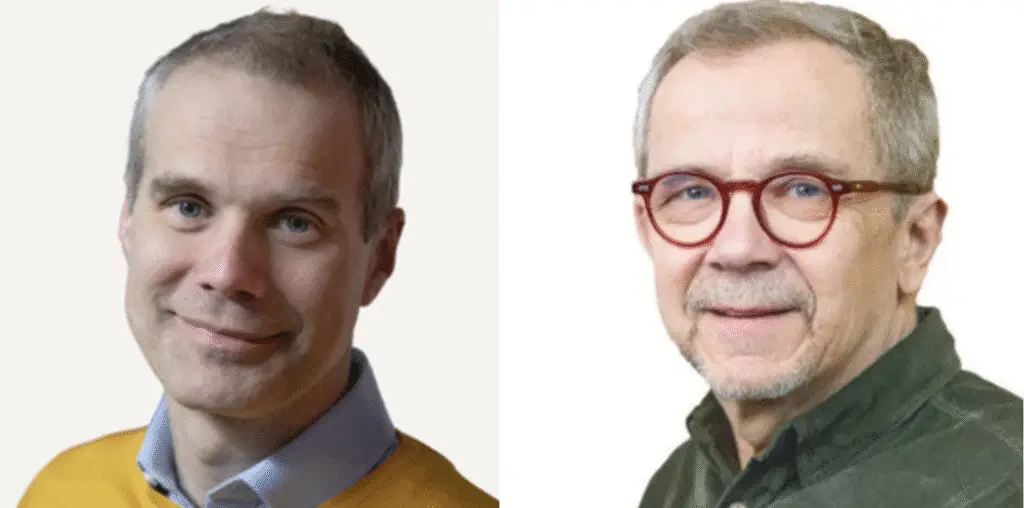
Logistics is the often-overlooked piece of the puzzle that makes circular flows possible. This is evident in the final report of the research project ”The Role of Logistics in Profitability in the Retail Sector’s Circular Business Models,” which is now being presented by Linköping University and the Swedish Trade Federation.. The final report, prepared by Erik Sandberg and Arne Andersson, shows that logistics are crucial to making circular economy initiatives profitable and scalable.
– Logistics is the often-overlooked piece of the puzzle that makes circular flows possible. “Our study shows that smartly designed logistics not only contributes to sustainability but is also absolutely central to creating profitability in circular business models,” says Erik Sandberg, professor of logistics at Linköping University.
“For the retail sector to make a serious transition toward a circular economy, there needs to be greater knowledge, collaboration, and innovation in the field of logistics. We hope this report will inspire and guide companies in the industry,” says Arne Andersson, senior e-commerce expert at Svensk Handel.
A key conclusion of the report is that the existing logistics in linear business models often serve as an important foundation for circular initiatives. Other conclusions include that each company must proceed based on its own circumstances within the circular ecosystem, and that even small-scale circular initiatives raise strategic questions that affect the entire business. Another key conclusion is that the profitability of circular business models needs to be made visible and quantified in order to achieve success.






