The effects of U.S. tariff policy are still difficult to fully analyze. However, according to recent statistics from sources including the U.S. Bureau of Economic Analysis, foreign direct investment in the U.S. has increased over the past few quarters. And in 2025, both foreign and domestic companies significantly increased their investments in the U.S. manufacturing sector.
The increase in investment in manufacturing capacity is partly due to the Trump administration’s trade policies, including the announced and implemented trade tariffs. However, disruptions in global supply chains in recent years have also had a major impact on the increased regionalization of supply chains worldwide.
Mitigate Negative Effects
Many large global companies are currently investing in local/regional manufacturing in the U.S. A recent example is the home appliance manufacturer GE Appliances, owned by the Chinese company Haier Smart Home, which plans to invest in expanding its manufacturing operations in the U.S. A primary motivation for this is to mitigate the negative effects of increased tariffs. According to the Wall Street Journal, GE Appliances plans to invest $3 billion in its U.S. manufacturing capacity over the next five years. Another example is the chip manufacturer Taiwan Semiconductor Manufacturing Company (TSMC), which has rapidly expanded its U.S. footprint by investing $12 billion in a new factory. South Korea’s Samsung is planning a $17 billion investment in semiconductor manufacturing in Texas. And several players in the pharmaceutical industry are planning more investments and production in the U.S. due to the Trump administration’s planned tariffs on imported drugs.
U.S. companies are investing heavily
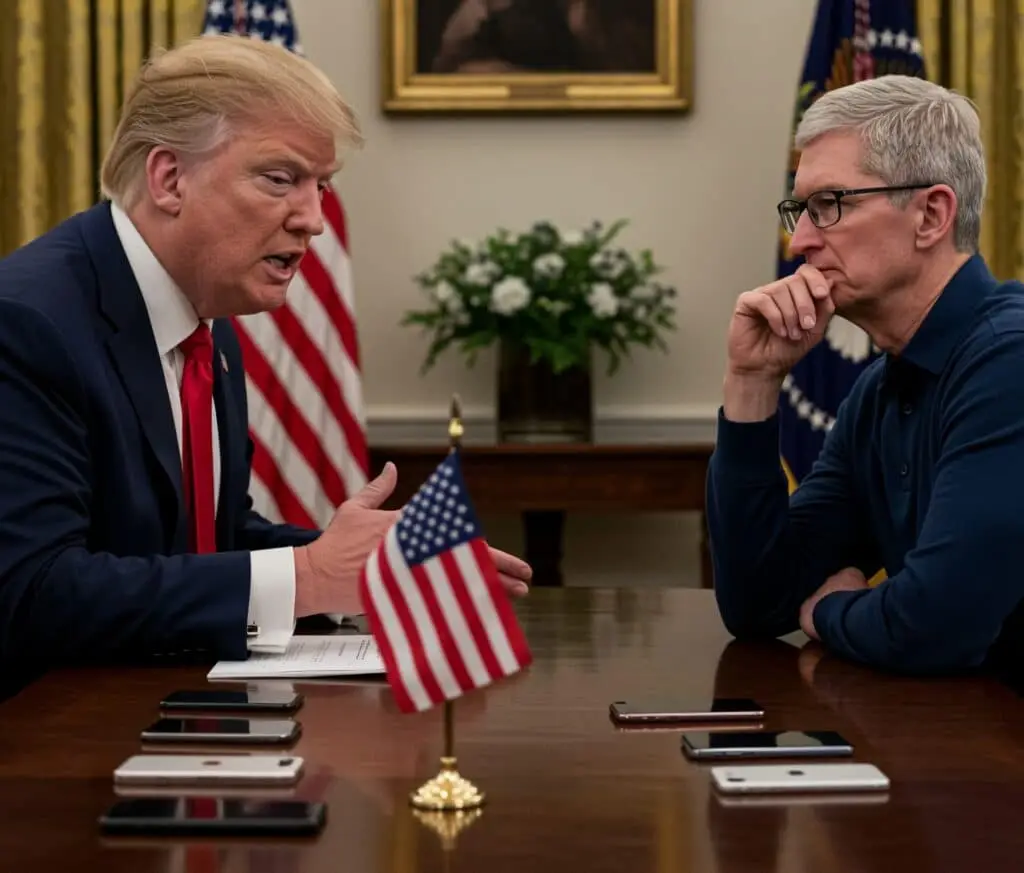
Many domestic companies are also making significant investments to increase production in the domestic market. For example, Intel has decided to invest $20 billion to build new semiconductor manufacturing plants in Ohio. Ford has committed to investing over $11 billion in U.S. manufacturing facilities for electric vehicles and batteries, including plants in Michigan and Kentucky. And Apple—the world’s most valuable company—has significantly increased its investments in its U.S. manufacturing capacity and supply chain over the past several years. Over a four-year period, Apple has committed to investing more than $500 billion in the United States. That figure was increased to $600 billion when Apple CEO Tim Cook visited Donald Trump at the White House last week. The investment, which is intended to increase the capacity to manufacture critical components in the U.S. and thereby strengthen the domestic economy, is seen as a response to the U.S. government’s threat of punitive tariffs on components manufactured outside the U.S. This massive investment is specifically focused on domestic production capacity, including funding for U.S. chip manufacturing and the production of components for Apple’s products.
By Stefan Karlöf, Editor-in-Chief of Supply Chain Effect