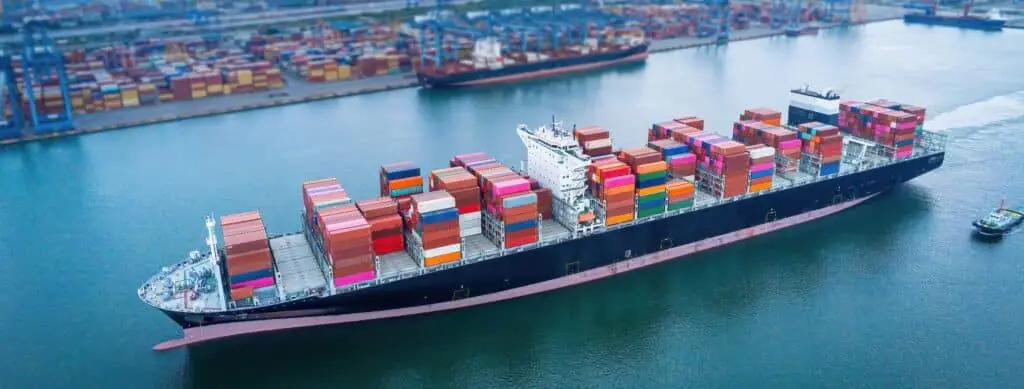
Den globala logistik- och transportverksamheten står inför nya förändringar när handelskriget mellan USA och Kina intensifieras med en tullhöjning på 10 procent på kinesisk import. Detta skifte i den globala logistiken förändrar sektorerna för tung utrustning och transport, vilket i grunden förändrar upphandling av utrustning, fraktvägar och driftskostnader.
– Sedan 2020-talets början har företag som bedriver global handel hanterat en alltmer osäker miljö. Från produktbrist, överbelastade transportleder och militära konflikter till politiska omvälvningar och miljökatastrofer har leveranskedjorna testats till det yttersta under de senaste fem åren, säger Jackson Wood, Director of Industry Strategy, Global Trade Intelligence på Descartes.
Den nya importavgiften på 10 procent påverkar alla kinesiska varor som kommer in på den amerikanska marknaden, vilket skapar en kaskadeffekt genom hela leveranskedjan. För transportutrustning och maskiner innebär detta ökade kostnader för komponenter, reservdelar och färdiga produkter.
– Det som har varit konstant under dessa störningar är att det är absolut nödvändigt att bygga in motståndskraft och lyhördhet i de globala leveranskedjorna. Detta innefattar att diversifiera leverantörs- och kundrelationerna, identifiera alternativa handelsvägar och eventuellt använda sig av Foreign Trade Zones och frihandelsavtal för att minska riskerna. Samma koncept gäller för det nya paradigmet med tullar och protektionism – de företag som har prioriterat motståndskraft och lyhördhet i sin globala handelsverksamhet kommer att vara bättre positionerade för att lyckas, konstaterar Jackson Wood.
I praktiken är tullar skatter på varor som importeras från andra länder. De flesta tullar fastställs som en procentandel av varans värde, som i allmänhet betalas av importören. Om till exempel en produkt som importeras till USA från Kina (efter att den 10-procentiga tullen införs) är värd 5 dollar, kommer den att beläggas med en extra avgift på 0,50 cent. Genom att höja priset på importerade varor hoppas USA kunna uppmuntra konsumenterna att istället köpa billigare inhemska produkter för att hjälpa till att öka tillväxten i den egna amerikanska ekonomin, skydda arbetstillfällen och öka skatteintäkterna.