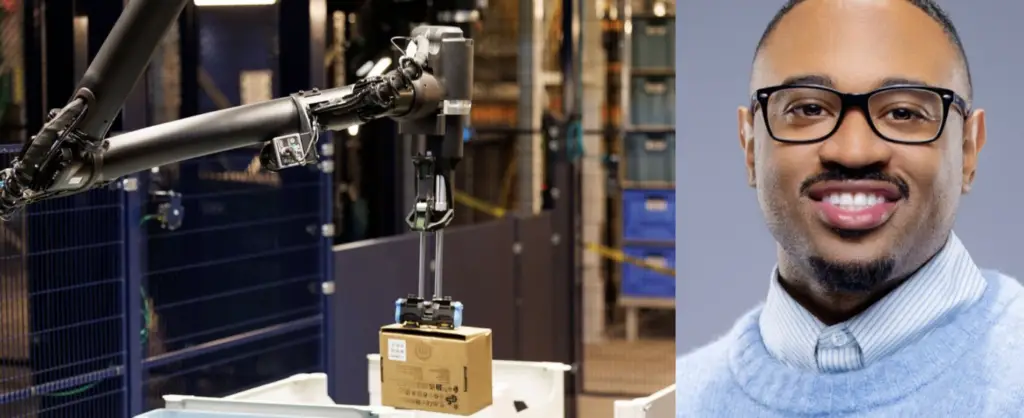
I oktober förra året presenterade Amazon med buller och bång sitt Blue Jay-program – en ny flerarmad robot som beskrevs som nästa generations system för sortering och förflyttning av paket. Nu läggs projektet ner efter bara några månader på grund av höga tillverkningskostnader, teknisk komplexitet och integrationsutmaningar.
Enligt källor med insyn i saken avvecklades projektet i januari efter bara några månader, uppger Business Insider. När Amazon presenterade projektet i oktober beskrevs Blue Jay som en ”kärnteknik” för att möjliggöra leverans samma dag till reducerad kostnad. Roboten utvecklades extremt snabbt, på bara tolv månader, med stöd av AI för att påskynda utbildning och driftsättning. Amazons talesperson Terrence Clark uppger till Business Insider att Blue Jays kärnteknik kommer att överföras till andra initiativ i företagets omfattande lagernätverk.
– Vi experimenterar alltid med nya sätt att förbättra kundupplevelsen och göra arbetet säkrare, effektivare och mer engagerande för våra anställda, sa Clark i ett uttalande.
Blue Jay försågs med flera robotarmar som kunde nå och lyfta flera föremål samtidigt, en design som var avsedd att öka produktiviteten samtidigt som den skapade en säkrare miljö för lagerpersonalen. Amazons Terrence Clark uppger för TechCrunch att Blue Jays teknik nu ska användas för andra robotrelaterade program med fokus på plockning, förflyttning och interaktion.
– Vi experimenterar alltid med nya sätt att förbättra kundupplevelsen och göra arbetet säkrare, effektivare och mer engagerande för våra anställda. I det här fallet accelererar vi faktiskt användningen av den underliggande tekniken som utvecklats för Blue Jay, säger han.
Amazon presenterade också Vulcan-roboten förra året, som används i förvaringsfacken i företagets lager. Vulcan är en tvåarmad robot, med en arm avsedd att omorganisera och flytta föremål i ett fack medan den andra är utrustad med en kamera och sugkoppar för att gripa varor. Vulcan kan påstås ”känna” föremålen som den vidrör och tränades på data som samlats in från verkliga interaktioner.
Sedan Amazon förvärvade robotbolaget Kiva Systems 2012 har en mängd olika lagerrobotar utvecklats. Under 2025 hade Amazon 1 miljon installerade robotar i sina lager, vilket innebär att antalet robotar snart är fler än antalet människor i e-handels- och teknikjättens lager. Enligt Wall Street Journal är 75 procent av Amazons globala leveranser på något sätt hanterade av en robot.