AV LARS PERSSON
Även om artificiell intelligens har funnits som koncept sedan 1950-talet så var det först på 2010-talet som tekniken på allvar började integreras i moderna, kommersiella supply chain-mjukvaror. Under de allra senaste åren har det skett en mycket snabb utveckling som har förfinat möjligheten att planera, optimera och fatta beslut. Två särskilt spännande områden är konversationsbaserad AI och utvecklingen av AI-agenter.
De första moderna AI-baserade systemen för supply chain som utvecklades under 2010-talet gav oss bland annat möjlighet att göra träffsäkra efterfrågeprognoser och ruttoptimera i realtid. Numera kan system med artificiell intelligens även förutse problem, simulera alternativ, ge rekommendationer och självständigt planera och fatta beslut. Uppgifter som hittills ofta krävt specialiserad expertis och manuella analysprocesser kan numera utföras via AI-agenter som initierar komplexa beräkningar och genomför simuleringar med hjälp av kraftfulla optimeringsalgoritmer.
Interaktiva AI-agenter
I PTV Logistics har vi nyligen lanserat PTV Mira, som är ett bra exempel på AI-utvecklingen. PTV Mira är baserad på mer än fyra decenniers erfarenhet av utveckling av routing- och optimeringstekniker och genomför verkliga simuleringar som genererar optimerade, korrekta resultat. I lösningen kombinerar vi AI med flera typer av optimeringstekniker och använder ett konversationsbaserat gränssnitt. Det nya arbetssättet kan liknas vid hur många av oss använder verktyg som ChatGPT, Copilot och Claude.
Databaserade, optimerade svar
Genom att ställa frågor till PTV Mira sätts ett kvalificerat arbete i gång bakom gränssnittet. Exempel på frågor kan vara:
”Vad händer om våra transportvolymer ökar med 18 procent på onsdag?”
”Visa mig de mest ineffektiva rutterna i den här leveransplanen?”
”Bör vi öppna vår nya depå i Helsingborg eller i Malmö?”
Du förklarar ett problem på samma vis som du talar med en kollega. Det behövs ingen teknisk expertis. Systemet bearbetar därefter din fråga, gör de nödvändiga beräkningarna och levererar direkt databaserade, korrekta resultat. Allt eftersom samarbetet fördjupas med din nya assistent och expert kan arbetsuppgifterna bli mer avancerade och gå från att ge förklaringar till att rekommendera och därefter till att genomföra.
Ruttoptimering och planering
PTV Mira har tillgång till vår mjukvaruplattforms kärnfunktioner, inklusive ruttplanering och optimering, kartläggning, modellering för elfordon, hänsyn till vägrestriktioner samt skapande och analys av scenarier. Baserat på den tillgången kan PTV Mira orkestrera rutter, generera alternativa scenarier och i realtid jämföra olika utfall – det vill säga både stötta kring kortsiktiga operativa frågor och mer strategiska beslut som planering av lokalisering av depåer eller hållbarhetsanalyser.
Kvalificerat, snabbt och korrekt
PTV Mira är med andra ord något mycket mer kraftfullt än en chattbot som genererar textbaserade svar baserade på sin historiska data. Du och dina kollegor kan fokusera på att ställa rätt frågor och verifiera de resultat och rekommendationer som levereras. Kort sagt; fokusera på det som människor gör bättre än maskiner. PTV Mira ersätter inte planerare, analytiker eller beslutsfattare, utan supporterar dem i deras arbete.
Men riskerna då?
När det pratas om AI så kommer ofta frågor om risker upp. Och även om riskerna för felaktiga analyser och rekommendationer är försumbara, så menar jag att vi människor behöver ha en god förståelse för hur AI-agenter fungerar, vad deras begränsningar är och se till att verifiera resultaten. Gör vi det så finns det bara möjligheter med de nya digitala arbetskamraterna. PTV Mira är redo att bli din assistent eller konsult!
—
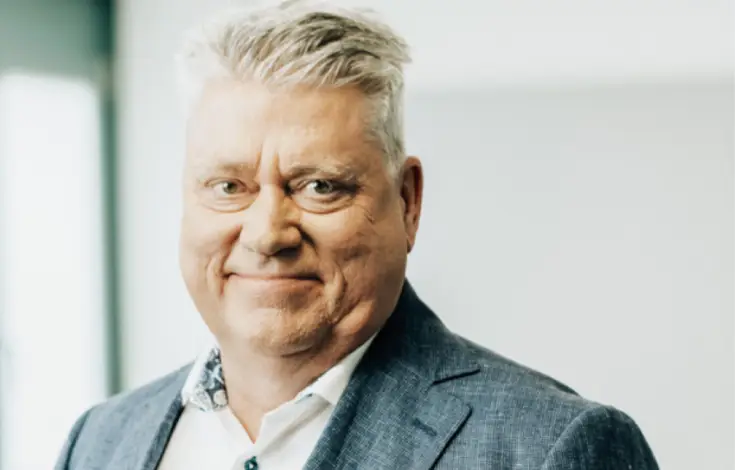
Lars Persson är Vice President Sales Nordics and UK på PTV Logistics