Styrelsen i Clas Ohlson har fattat beslut om att investera cirka 400-450 miljoner kronor i sin distributionscentral i Insjön för att säkerställa den kapacitet som behövs för fortsatt expansion. Den befintliga distributionscentralen ska uppgraderas med en ”automationslösning i absolut framkant” och ges kapacitet att hantera större volymer till både butiker och e-handel, uppger bolaget i ett pressmeddelande.
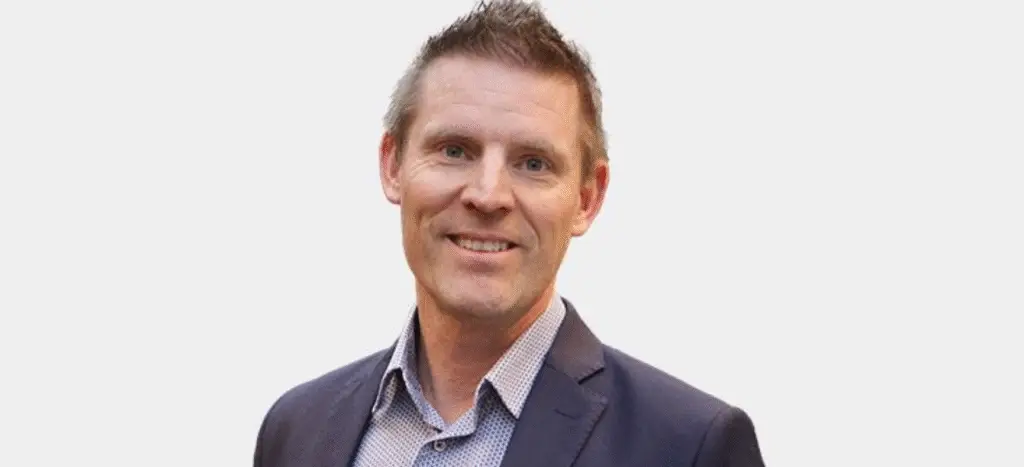
– Vi är mycket glada över att ha nått den här milstolpen. Att bygga ut och effektivisera anläggningen i Insjön är den bästa lösningen för alla inom och runtomkring Clas Ohlson. Det var i Insjön allt började för över hundra år sedan och vi har jobbat intensivt för att hitta en väg där vi kan växa oss starkare här även i framtiden. Med en uppdaterad och konkurrenskraftig distributionscentral kommer vi att kunna ge våra kunder ännu bättre och snabbare service, vi blir kvar som en långsiktig och betydande arbetsgivare i Insjön och vi skapar möjligheter till ytterligare värdeskapande för våra aktieägare, säger Kristofer Tonström, vd och koncernchef på Clas Ohlson.
Totalt kommer kapaciteten i varuhanteringen att öka med cirka 15-20 procent. Dessutom finns möjlighet att expandera verksamheten ytterligare vid behov, med bland annat större lagringskapacitet.
– Vi har en mycket välskött anläggning som nu kommer att bli ännu bättre. Förutom effektivitetsvinster med automatiserade flöden på vår distributionscentral kommer vi att kunna öka fyllnadsgraden i våra transporter och dessutom hantera varuflödena mer effektivt i våra butiker. Vi har också säkerställt möjligheten att bygga ut höglagret vid behov, vilket är en stor trygghet för oss i planeringen framåt, säger Stefan Lindwall, logistikdirektör på Clas Ohlson.
Upphandling av bygg- och automationspartners pågår och arbetet beräknas påbörjas i mars 2026 med färdigställande under andra halvåret 2027. Bedömningen är att ombyggnationen inte kommer att påverka resultatet negativt under projekttiden. Med ökad kapacitet att hantera större produktvolymer till en lägre kostnad beräknas investeringen återbetalas på cirka fyra år efter att automationen är fullt implementerad. Investeringskostnaden väntas till största del belasta verksamhetsåret 2026/27. Finansiering sker med likvida medel.