AV TARUN AGRAWAL
Artificiell intelligens (AI) är inte längre ett futuristiskt koncept – det är en nutida verklighet som förändrar leveranskedjor över olika branscher. Från prediktiv analys till autonomt beslutsfattande förändrar AI hur organisationer hanterar komplexitet, reagerar på störningar och bygger motståndskraft. Men när vi anammar automatisering uppstår en kritisk fråga: Åsidosätter vi den mänskliga faktorn?
I en Delphi-studie av svenska och amerikanska tillverkare utforskar vi (Chalmers tekniska högskola och Auburn University) denna fråga. Med hjälp av insikter från erfarna yrkesverksamma – både användare och leverantörer av AI-baserad automation – studerar vi AI-användningens dubbla natur, dess transformativa potential och dess oavsiktliga konsekvenser.
AI i supply chain: Bortom effektivitet
AI används i allt högre grad för att förbättra efterfrågeprognoser, riskbedömning, upphandling och kontraktshantering. Till skillnad från traditionell automatisering, som följer fördefinierade regler, lär sig AI av data, anpassar sig till nya förhållanden och erbjuder prediktiva och preskriptiva insikter. Experterna i nyss nämnda studie beskrev AI som en ”transformativ mekanism” som förstärker beslutsfattande och organisatorisk intelligens. Det handlar inte bara om att ersätta manuella arbetsuppgifter – det handlar även om att förbättra strategiskt tänkande och responsivitet. En deltagare i studien noterade att: ”AI förbättrar motståndskraften genom att övervaka världshändelser som makroekonomi, geopolitik, naturkatastrofer, och i realtid erbjuda förslag för hur störningar kan undvikas.” En annan deltagare konstaterade att: ”AI hjälper till att identifiera mönster som vi annars inte skulle se, effektiviserar upphandling och minskar manuellt arbete.” Den här övergången från regelbaserad automatisering till adaptiv intelligens markerar en ny era för supply chain management: en era där maskiner inte bara utför uppgifter utan aktivt formar beslut.
De oavsiktliga konsekvenserna av att implementera AI
Trots alla möjligheter medför AI även risker. Delphi-studien belyser flera oavsiktliga konsekvenser som kan göra försörjningskedjor mindre motståndskraftiga:
• Minskat mänskligt engagemang: När AI tar över rutinuppgifter kan interaktionen med människor minska, exempelvis inom områden som leverantörsförhandlingar och kundservice.
• Kompetensförlust: Ett alltför stort beroende av AI kan leda till förlust av kritiskt tänkande, förhandlings- och problemlösningsförmåga.
• Black Box-syndromet: Många användare accepterar AI-genererade beslut utan att förstå logiken bakom dem, vilket sätter ljuset på behovet av transparens och ansvarstagande.
• Teknologiskt beroende: Företag kan bli alltför beroende av AI-system, vilket gör dem sårbara när systemen misslyckas eller agerar oförutsägbart.
En expert i studien gav följande varning: ”Missbruk eller missförstånd av AI kan vara lika skadligt som att inte använda det alls.” Dessa farhågor understryker behovet av en balanserad strategi – en som integrerar mänsklig tillsyn och kontroll med teknisk innovation.
Samarbete mellan människa och AI: En strategisk uppmaning
Studien visar att framgångsrikt införande av AI inte bara beror på teknik, utan också på hur människor Interagerar med tekniken. Experterna förutser en förändring av arbetskraftens roller – från uppgiftsutförande till strategisk tillsyn, etiskt omdöme och systemövervakning. I framtiden kommer de som arbetar i olika roller i supply chain behöva nya färdigheter som: datakunskap, algoritmisk förståelse och förmågan att samarbeta i hybrida människa-maskin-team. Som en respondent uttryckte det: ”Vi behöver människor som kan skapa tillsammans med AI, inte bara använda tekniken passivt.” Detta kräver att det utvecklas samarbetsmodeller för människa och AI. Modeller där det mänskliga omdömet bevaras samtidigt som AI:s kapacitet utnyttjas. Organisationer måste ompröva arbetsroller, utbildningsprogram och ledarskapsstrategier för att förbereda sig för den här förändringen.
AI och motståndskraft: Ett tveeggat svärd
AI kan förbättra försörjningskedjans motståndskraft genom att möjliggöra system för tidig upptäckt och insats (early warning systems, EWS), scenariomodellering och snabb respons på störningar. Den stöder identifiering av svaga länkar, accelererar beslutsfattandet och förbättrar samordningen mellan partners. När AI är strategiskt koordinerad med organisationens mål blir den en kraftfull möjliggörare för agilitet och anpassningsförmåga. Men AIs potential minskar som en följd av nya risker. Samma system som ökar hastigheten kan, om de inte styrs ordentligt, göra att fel uppstår. Deltagare i studien uttryckte oro över att bli överberoende av AI-system, algoritmernas sårbarhet för manipulation eller fel och den potentiella förlusten av att bibehålla organisationens kunskap när automatisering ersätter manuella processer. Etiska problem relaterade till dataskydd, partiskhet och snedvridning i algoritmer samt regelefterlevnad togs också upp. En experts reflektion: ”Vi behöver säkra integrationstjänster och tydliga strategier för att hantera digitala risker – annars blir tekniken mer en belastning än en tillgång.”
Insikter från Delphi-studien
Delphi-metoden som användes i studien är en strukturerad kommunikationsteknik som samlar in expertutlåtanden genom flera omgångar av frågestunder. I den första omgången svarade deltagarna på öppna frågor om sina uppfattningar om AI, dess roll i försörjningskedjor och utmaningar kring implementering av AI. Viktiga teman som framkom:
• AI ses som ett kognitivt verktyg som stödjer beslutsfattande, inte bara automatisering av uppgifter.
• Framgångsrik AI-implementering kräver mänsklig förståelse, strategiskt tänkande och etisk övervakning.
• Datakvalitet, systemintegration och digital styrning är stora hinder.
• Arbetskraften behöver utvecklas för att möta nya krav på att arbeta i hybridsamarbeten, tillsammans med AI-systemen.
Studien visade även en brist på tydlig förståelse för hur AI-system fungerar – vilket leder till blint förtroende för de data som algoritmerna levererar. Detta ”black box syndrome” utgör ett allvarligt hot mot den organisatoriska motståndskraften.
Arbetskraftsomvandling och kompetensutveckling
Experter betonade konsekvent att AI-implementering kommer att omforma rollerna och ansvaret för den personal som arbetar i supply chain. Operativa roller förväntas förskjutas mot övervakning, hantering av avvikelser och strategisk tillsyn. Uppgifter som leverantörsförhandlingar, upphandling och rutinmässig kundservice kommer sannolikt att bli alltmer automatiserade genom verktyg som generativ AI och chatbots. Medan effektiviteten kan öka, kommer den mänskliga interaktionen inom många transaktionella områden att minska. Eller som en expert noterade:
”Människor kommer i allt högre grad att agera som övervakare och förbättrare, inte bara som utförare av uppgifter. De kommer att ha mer strategiska roller – använda sitt etiska omdöme, sin kreativitet och övervaka system.”
Experterna förutsåg också en betydande förändring i de färdigheter som krävs i framtida supply chain-roller. Traditionella kompetenser – såsom förhandling och kunskap om manuella processer – kan bli mindre viktiga, samtidigt som kraven på datakunskap, kodning, algoritmisk förståelse och interpersonellt samarbete i hybrida människa-maskin-team, kommer att öka. Färdigheter som strategiskt tänkande, systemkommunikation och etiskt resonerande kommer att bli allt viktigare. Eller som en respondent uttryckte det: ”Vi behöver människor som kan samskapa med AI, inte bara använda det passivt.”
Nästa steg i Delphi-studien
Studien pågår fortfarande och framtida frågestunder är planerade för att undersöka hur AI påverkar olika ledningsnivåer – högre, mellanliggande och operativa – och vilka färdigheter som förväntas öka eller minska som en följd av AI-driven automatisering. Experter kommer att ombes rangordna färdighetskategorier och specificera de negativa konsekvenserna av AI-implementering. Detta kommer att bidra till att bygga ett mer nyanserat ramverk för människa-AI-integration i försörjningskedjor och vägleda organisationer i att bygga en arbetsstyrka som har de färdigheter som behövs för framtiden.
Praktiska konsekvenser
För ledare i supply chain är budskapet tydligt: AI bör inte ersätta människor – den bör omdirigera människor till att utföra mer värdeskapande aktiviteter, såsom styrning, strategiskt beslutsfattande och kreativ problemlösning.
Organisationer måste:
• Utforma transparenta och ansvarsfulla AI-system.
• Investera i kompetenshöjning av anställda så att de har förmågan att samarbeta med AI.
• Främja en kultur av etisk tillsyn och ständigt lärande.
• Utveckla ramverk för interaktionen mellan människa och AI, som stöder motståndskraft och lyhördhet.
Genom att göra detta kan försörjningskedjor skapas som inte bara är smarta utan också anpassningsbara, motståndskraftiga och människocentrerade.
—
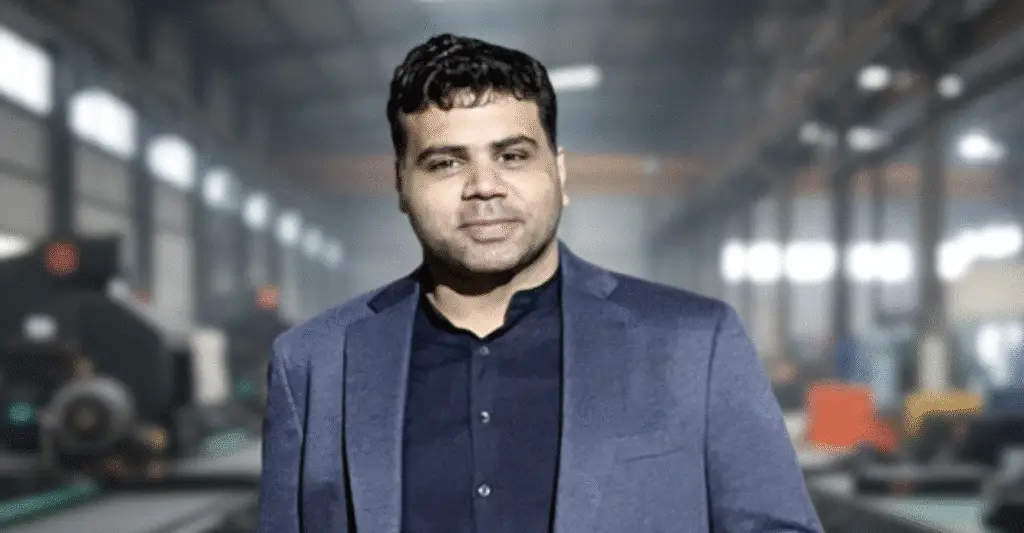
Tarun Agrawal är Docent och Universitetslektor vid avdelningen Supply and Operations Management, Chalmers tekniska högskola.