
Part of SCE # 3/2024 focuses on supply chain planning—a growing area of need in an unpredictable and dynamic world. The word “planning” might sound dry and boring, but in practice, planning is what we humans spend a great deal of our time doing. That is, we make plans, decide what we’re going to do and how we’re going to do it. Whether it happens at the kitchen table, the conference table, or somewhere else, we’re making plans—in our personal lives and at work. But it’s the planning process itself that’s key; the plan is secondary.
Supply Chain Planning: More Important but More Difficult
In the supply chain and logistics sectors, planning has come into focus as a result of the pandemic, war, supply shortages, and transportation problems. One consequence is that interest in and demand for planning tools are growing rapidly. This applies to a wide variety of planning software, as well as software designed to detect in real time when actual conditions deviate from plans.
Plan for Deviations
The very fact that reality so often thwarts those well-thought-out, well-balanced plans is a factor that has caused some to lose faith in traditional, more long-term supply chain planning. Others argue that this is precisely why it’s more important than ever to actually plan—but not just for ”the perfect delivery,” but for a wide range of alternative scenarios. At its core, planning is essentially a desire to bring order and clarity to things. This is difficult in an increasingly chaotic world where most things—or at least a great many of them—are actually beyond our control.
Agile and quick on its feet
In a stable, predictable world, we can draw up detailed plans that specify what everyone should do and how it should be done. But in an unpredictable and ever-changing world, those detailed plans become more of a hindrance—ineffective and stifling the creative adaptability that is essential. When things change rapidly—for example, in terms of buyer and seller markets, demand, resources, technology, regulations, and more—a nimble approach and swift action are required. This requires the ability to adapt to changing conditions, which means that planning must take into account a wide range of risks and scenarios. This type of scenario planning is therefore becoming increasingly important in today’s turbulent and dynamic business landscape.
The Process: The Key
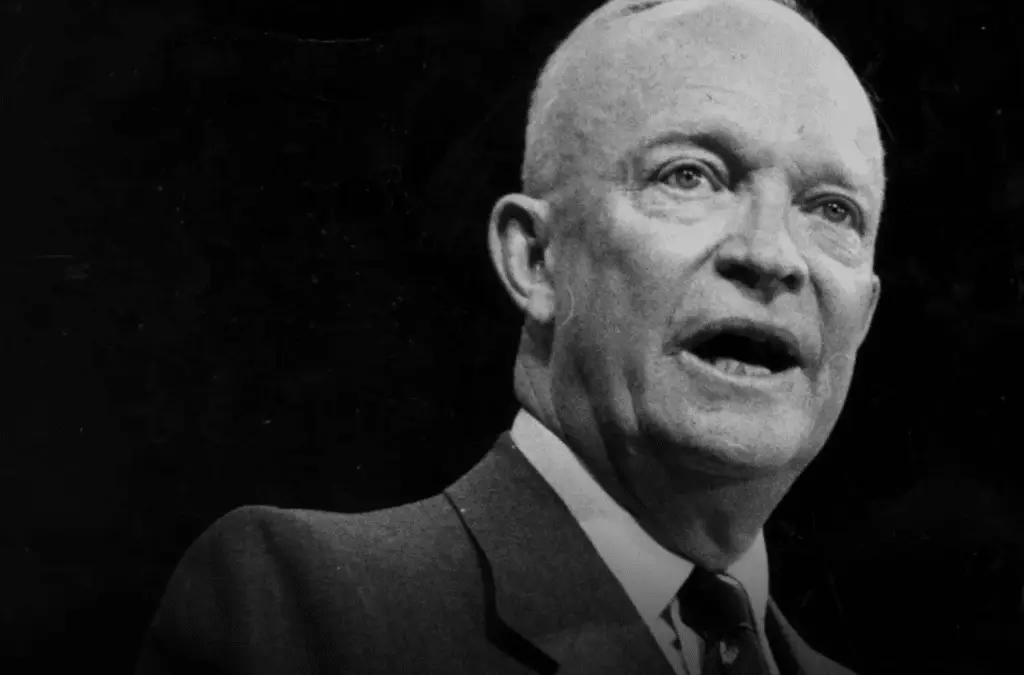
In conclusion, I believe that U.S. President and Army General Dwight D. Eisenhower (1890–1969) had an approach to planning that is more relevant today than ever. Before being elected President of the United States, “Ike” served as Supreme Commander of the Allied Forces during World War II. As a military leader, he was shaped by the ever-changing reality of war, with its constant surprises, new challenges, and opportunities. Today’s global business world is similarly characterized by increasing chaos, where the aspect of planning that involves considering various scenarios is absolutely central and far more important than ”the plan” itself.
“Plans are nothing; planning is everything,” Dwight D. Eisenhower
Happy summer!
Stefan Karlöf, Editor-in-Chief






